
Harm
7/16/26 - The toxic minority amid our caring majority


Hello everyone:
I start off this week in the political darkness, but the writing aims for the light, so please stick with me.
As always, please remember to scroll past the end of the essay to read some curated Anthropocene news.
Now on to this week’s writing:
The Toxic Minority
From the perspective of most people, and of nearly all of life on Earth, the purpose of the current U.S. administration is to do harm, to profit from that harm, and to establish a corrupt and unassailable system of governance and corporate power that will continue to profit from that harm.
Just to cite recent news, some of the democratic norms on the chopping block include birthright citizenship, immigrant protections and rights, free and fair voting, federal support for scientific research and disease prevention, an independent judiciary, and any kind of firewall to prevent federal corruption. As power concentrates upward into this toxic minority, billions of dollars are being funneled from poor and working people into the pockets of those who need or deserve it least.
I keep joking that it’s like we lost, all at once, the Civil War, WWII, and the Cold War, with the Confederates and Nazis and Soviets now plotting together in the Oval Office. Their policies follow the logic of slaveholders, con artists, and zealots. What the joke reveals, though, is that the fascist urge never quits.
Redefining “Harm”
As the republic suffers, so suffers life. At the landscape scale, the list is sobering. Here’s a small portion: Public lands opened to depredation by industry, national parks deprived of funds and staff, wetlands deprived of protections, climate policies and agencies gutted, and a long-term strategy to tee up a Supreme Court ruling against the Antiquities Act, which for more than 120 years has allowed the federal government to permanently protect our most cherished places in national monuments.
At the scale of leaf and fur and feathers, the impacts from Trump administration reductions in wildlife protection are brutal. Rice’s whales in the Gulf of Mexico are no longer protected from oil and gas development, and Northern right whales are no longer protected from fast-moving ships. The blank check given by the administration to oil, gas, and coal interests in Alaska and throughout public lands and waters threaten the survival of a myriad of plant and animal species in some of the last big, undeveloped spaces in the world. Fast-tracking deep sea mining puts the wondrous residents of the largest, most ancient, and least-known habitats on Earth at risk of disappearing before we know anything about them. And so on, and so on.
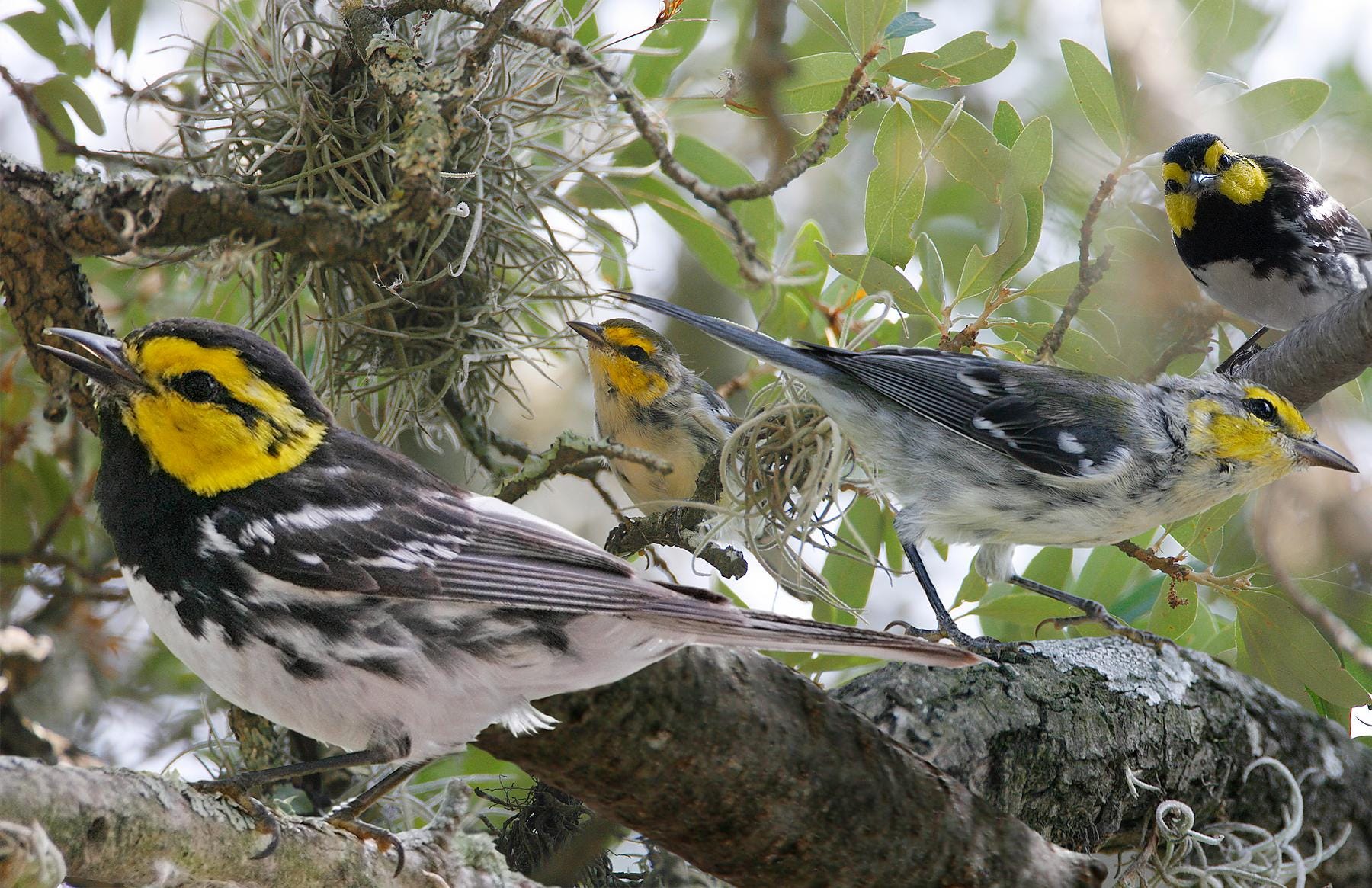
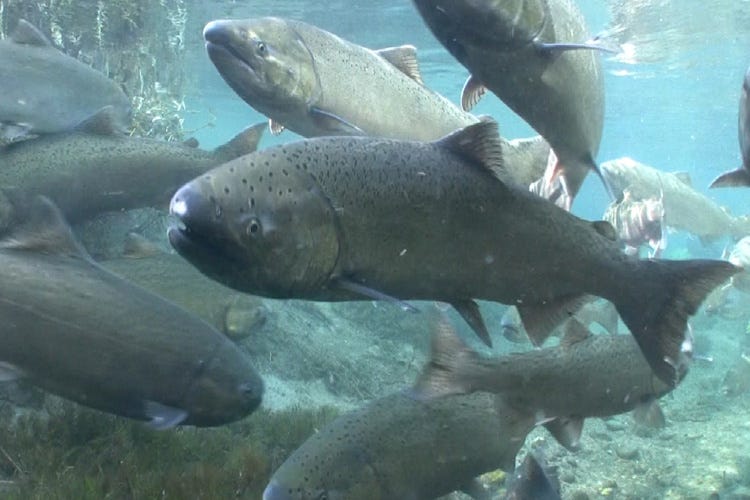
Nothing more clearly characterizes the administration’s atrocious behavior toward life than their recent declaration that the word “harm”, as defined and prohibited by the Endangered Species Act, is limited to the killing or injuring of the protected species. Habitat destruction, they argue, is not harm. By their logic, you can’t shoot an endangered Golden-cheeked Warbler, but it’s okay to bulldoze the last of its juniper-oak woodlands in the Texas hill country. You can’t harvest Chinook salmon in California, but if they’re out to sea, you can choke out their spawning streams with sediment-filled run-off.
Some 81% of ESA listings are the result of habitat loss. It’s the same everywhere around the globe. The story of the Anthropocene is of plant and animal populations shrinking, fragmenting, and disappearing in the face of the expanding human footprint. To limit “harm” to direct violence is to eliminate most of the little progress we’ve made in learning restraint and expanding multi-species empathy at the societal scale.
On one hand, this is merely a clever ploy to gut the ESA. On the other, though, it’s an emblem of how raw hatred of “anti-business” social progress is smoothed into policy. It’s another example of working to erase ecological governance with the kind of legal cruelty that killed treaties with Native Americans and declared ketchup a vegetable for poor students’ school lunches.
Nobody Wants This
The etymology of “harm” can be traced all the way back through the Germanic languages to a Proto-Indo-European root for “pain”. While the experience of pain is vital for becoming fully human, a willingness to cause pain is how we become, over time, less human. In this administration, though, that’s exactly what we see happening. Other than the diminishing bloc of voters it has convinced it took power for better reasons, there is no constituency for nearly all of its policies other than a toxic minority of white nationalists and corporate executives and shareholders. Their purpose is to do harm, and as immigrants and forests can equally testify, brutality is the point.
The Endangered Species Act, like parks and wildlife protections more broadly, are as wildly popular across the political spectrum as mail-in voting and birthright citizenship. The Times reveals that 99% of roughly 220,000 public comments opposed the administration’s proposed change to the definition of “harm”. This includes wildlife departments in Republican-led states. And the Guardian notes that public support for protecting wildlife is as universal as it gets in U.S. politics:
The US public broadly supports species protections. A 2023 poll found that 80% of registered voters favored full-funding of the ESA and 73% view biodiversity as important to their everyday lives.
And the ESA, despite some weaknesses, is as effective as it is popular. As I wrote a couple years ago,
a remarkable 99% of the threatened and endangered species listed by the ESA have avoided extinction. 54 species have been fully delisted because their populations recovered sufficiently. Another 56 species have been shifted from the endangered list to the threatened list as their situations have improved. Often this means the protection of critical habitat (like a stretch of river inhabited by rare mussels) and all of its other species as well.
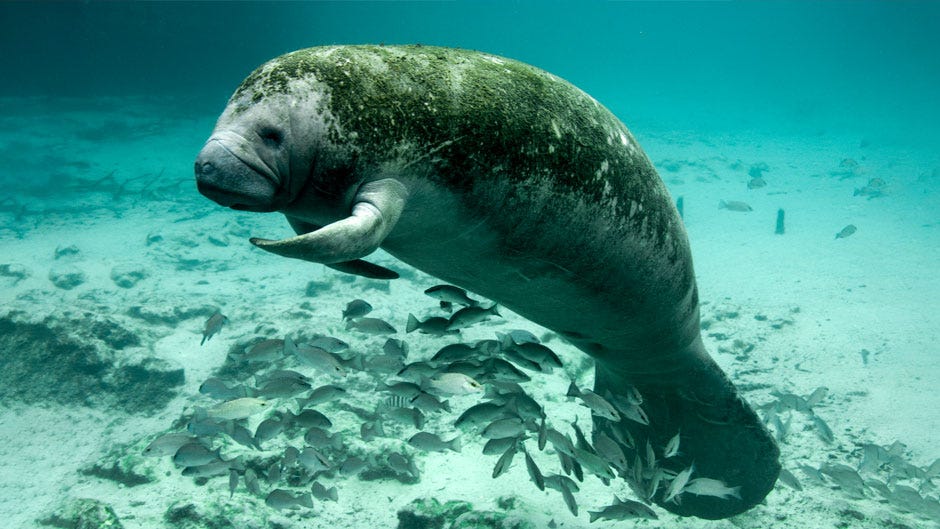
This last point is important to emphasize: the ESA focuses on individual species (or an isolated population thereof), but the salvation it provides extends to the communities of life that connect to that species. Save a salmon, and you enrich the river, forest, and ocean communities that surround it. Save an alligator, as the ESA did, and you rebuild the food web of its Florida wetlands.
Preventing harm to habitat, then, is essential to the community of life.
Just as fossil fuels are responsible for most of our species’ transgressions of planetary boundaries, much of what we’re seeing crawl out from under the White House rock amounts to a last-gasp trillion-dollar theft of public funds and planetary health by an industry that will barely survive the century. Still propped up by hundreds of billions of dollars in subsidies, the fossil fuel companies can see as well as we can that human society is about to be powered almost exclusively by other means. The administration is both unrepentant dealer and oblivious junkie, but here as in most of the world the transition to cleaner energy, transportation, and industry is accelerating at an astonishing pace. The alternatives are simply better, cheaper, and wiser.
We’re rapidly moving toward a time in which nobody will want what they sell.
The Hollow Men
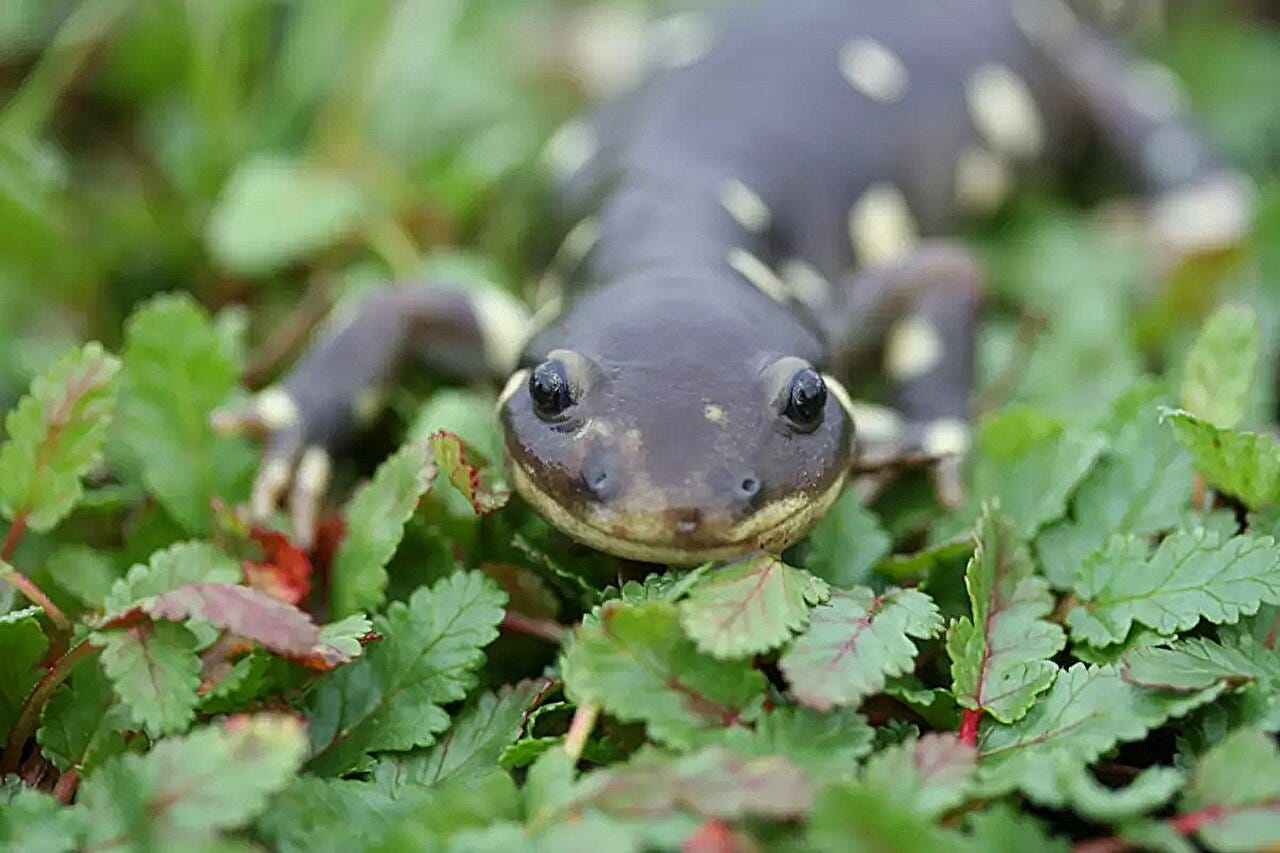
What this means is that these fascists are alone in a world that largely loathes them. Politics is too often the art of putting power into the hands of those who least deserve it, but amid the race-baiting and fearmongering and economies of selfishness now sickening the heart of the American experiment, there is still the greater reality of who people are, outside of politics, and how they feel about a meaningful life.
Just as nearly all of us understand that voting rights and birthright citizenship are essential, we all want at least a little more nature in our lives. Everyone wants closer connections to animals (like these young people taking up birding). Everyone wants more protections for the lands and waters they love. Everyone, to whatever extent they understand the threat, wants the Earth stabilized against the chaos of a hotter climate. Everyone wants a better world for future generations.
For nearly all of human history, we’ve been immersed in the fabric of life. That link to plants and animals is literally in our DNA. In Ways of Being, James Bridle writes that
Humans have spoken to, and with, animals for as long as we have walked alongside them, which is for ever. Such communication is not limited to domesticated animals; indeed, it predates domestication. Still today, there are those who talk to wild beasts, in mutually intelligible and productive conversation.
For a sense of how distant the hollow men of the Trump administration are from what it means to be fully human, try to imagine any of them talking with the birds.
All the Goodness
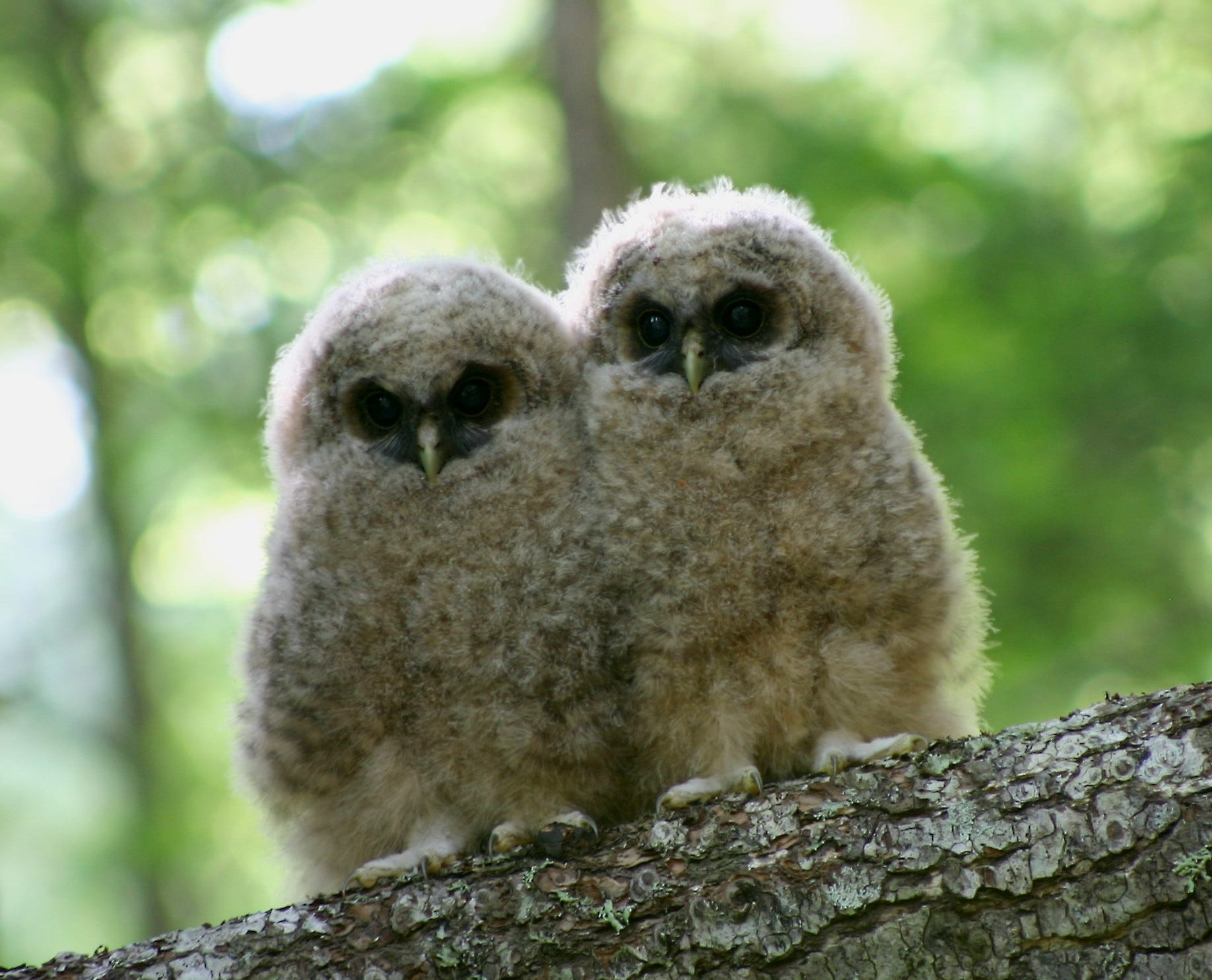
More broadly, studies and polls show again and again that we constantly underestimate the kindness of others and the extent to which they agree with our basic belief in fairness and kindness. Not enough of us know that most of us are worried about the warming world. Too few of us realize that most of us don’t want what this administration is selling.
John Steinbeck, amidst the horrors of WWII, wrote in a letter a bit of wisdom about the reality of evil:
Not that I have lost any hope. All the goodness and the heroisms will rise up again, then be cut down again and rise up. It isn’t that the evil thing wins — it never will — but that it doesn’t die. I don’t know why we should expect it to.
A life without harm is impossible. A life marked by deliberate harm at a landscape scale is inexcusable. All the major characters in this administration (and in those complicit corporations adjacent to it) would, in a rational world constructed around what we all know is good and fair and true, be held liable for ecocide and crimes against humanity.
Who’s more useful to the world? Stephen Miller or a sloth? Pete Hegseth or a hay-scented fern? Russell Vought or a chimney swift? The Patriot Front or a cemetery full of miner bees? Trump or a toadstool?
This is true, to varying degrees, of all of us. From the perspective of life on Earth, I doubt that I’m worth as much as the woodchuck Heather and I watched yesterday dining on our lawn’s dandelion leaves while eyeing our squash patch. I like to think of myself as not deliberately brutal to field and forest, but I mow lawns, drive a car, and burn firewood, among a host of other harms. The woodchuck belongs here. I’m on probation and trying to write myself free.
If we’re going to commit to a politics of judgement, let it be judgement based on someone’s usefulness to all of life, from our neighborhood trees to endangered mussels to our immigrant neighbors. We don’t each need to be fervent environmentalists or humanitarians, but we do need to commit to supporting those who are, or at least to not getting in their way.
Everyone Just Wants to Go Home
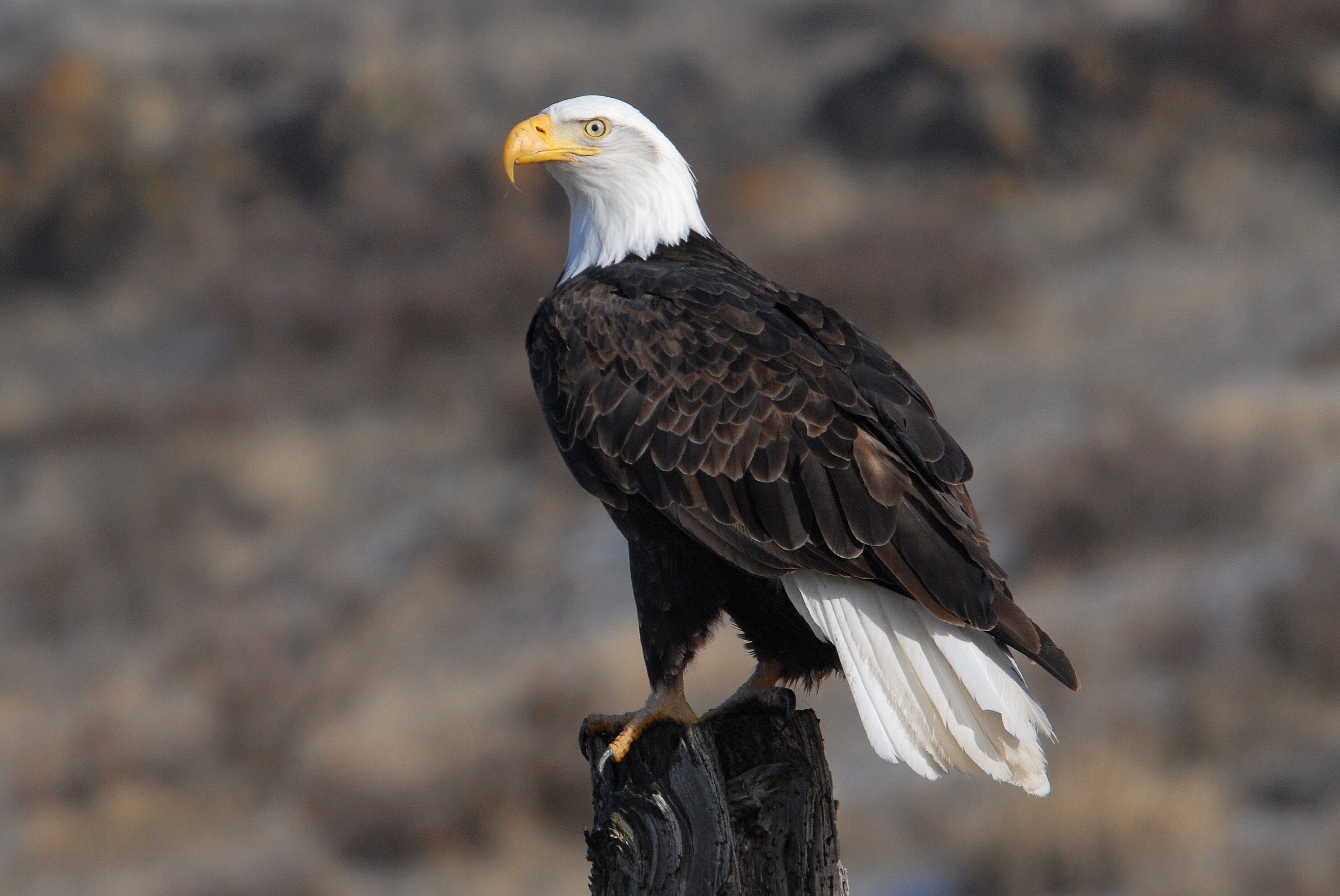
Reanna Moore, a young woman devoting herself to restoration ecology work in Canada, has written one of the most succinct descriptions of our era I’ve read in a long time. Her proud father passed on the quote to me in a recent comment. “The Anthropocene was a great party,” she wrote, “but now everyone just wants to go home.”
Home of the future will look very different than home of the past, but on we go.
And there may be a good lesson hidden among the harms of this wildly fascist administration: Federal power can be wielded quickly and effectively. In a recent Times article about an early meeting between Trump, his advisors, and leaders in the fossil fuel industry, a reporter describes “a room filled with some of the most powerful executives in the world, stunned by what they were witnessing.” Trump was more aggressive than they were in strategizing how to give them everything they wanted:
“They described Trump as having a better sense of his executive power than anyone that this person’s ever dealt with,” Swan told me.
Tellingly, one added: “I would never want a Democrat to have that same sense of executive authority.”
And yet, someone (likely a Democrat) will have to take as aggressive a position as this administration to undo its damage and then move rapidly toward reducing the harms of a hotter, more chaotic world that is losing far too many of its plants and animals.
At its most pure, I think, this moment in history is a battle between those who care and those who don’t care. You might argue that the Trump administration does care about, say, the fictions of white identity and corporate power and male dominance and human supremacy, but those ideas aren’t about caring. They’re about harming others to protect a toxic minority.
The problem is that, too often, those who care deepest are not those who battle best. We fantasize - myself included - that good deeds and thoughts in our daily lives will overpower those who take power for the wrong reasons. This is why the majority of Americans, as anywhere else, can allow (or even encourage) a few self-serving fascists to assume power.
We don’t think enough about wielding power because empathy and caring are not primarily about power. Empathy and caring are interpersonal, not political. But without the battle to establish a political and judicial framework that insists on a culture of empathy and caring, that restricts the fascist impulse to the small dark corners of society, then neither people nor nature will thrive.
If the fascist urge never quits, then neither can we.

For more on the Endangered Species Act, I wrote a three-part series on its 50th anniversary, in January of 2024, that begins with “Promises to Keep.”
Thanks for sticking with me.
In other Anthropocene news:
Suffering from wildfire smoke or other pollution that’s contaminating the air inside your house? Can’t afford expensive air purifier machines? Follow instructions from the nonprofit Corsi-Rosenthal Foundation to make your own effective air purifier at “a fraction of the price” using ordinary materials from the hardware store.
From Avian Haven, a bird rehabilitation center here in Maine, a warning about using glue traps or poisons to kill rodents. Not only are they truly terrible ways to die, but they can lead to the death of birds who make contact with the glue traps or consume the poisoned rodent. Birds caught in glue traps are “one of the most distressing situations we encounter,” with feathers yanked out, wings dislocated, and the bird dehydrated and deeply stressed. Hawks, owls, and other predators (fox, coyote, etc) who become poisoned with rodenticides (an anticoagulant or a neurotoxin) can weaken and suffer over a long period of time. The solution in both cases is never to use either device. Use old-fashioned snap traps to kill, or live traps to capture and take the rodent elsewhere.
From the Guardian, “‘It makes your heart sing,’” a new large-scale rewilding project in Britain’s farming country from the people behind the much-heralded Knepp Estate has been slowly transforming most of a 1525-acre (617-hectare) farm into a biodiverse reserve. This is a long-read story about the long, often awkward process, and how the neighbors are coping with what, four years on, still very much a weedy work-in-progress. The need in Britain is extraordinary - more than most places on Earth - as so much of the land has been converted to “hard-arsed” industrial farming:
Hard-arsed farming has been the main driver of Britain’s contribution to the global extinction crisis. Over the past century, England and Wales have lost 98% of wildflower meadows. We have also destroyed half of Britain’s ancient woodland, half of lowland ponds, 90% of freshwater wetlands and 62% of all “farmland” wild birds.
Also from the Guardian, this year’s Red List report from the International Union for the Conservation of Nature (IUCN) makes clear that much of nature’s ingenuity in devising strategies to thrive in every habitat on Earth is no match for the sudden shock of human transformation of atmosphere, land, and oceans. The article highlights a few examples - Australian marsupials, sea life huddled around vents that are now subject to deep-sea mining, southern Africa’s desert rain frog - in making its primary point, that amid our planetary-scale threat to life we have conservation solutions that we know work very well in preventing extinctions.
From MIT Energy Initiative, “Transparent Solar Cells,” a breakthrough technology that may revolutionize how solar is used in and around our lives. These cells only capture photons in the UV and infrared parts of the spectrum, leaving the glass fully transparent to our eyes. It’s still early days, with the first commercial uses (in mobile devices) emerging in a few years, but it’s possible that any window - from your living room to the entire facade of a glass skyscraper - will become a transparent energy source. Other benefits include concentrating solar arrays in urban areas rather than forests and fields, and reducing heating costs:
Moreover, the solar cells would block much of the infrared radiation, a large part of the sunlight that heats up a room. That effect could cut down on air conditioning needs, further reducing energy use and operating costs in the building. And all of those benefits would be gained without modifying the look of the building or obstructing views for the occupants.
If you’re new to the concept of light pollution and the virtues of Dark Sky International’s efforts to reduce it, I recommend “We’re Thinking About Darkness All Wrong” from Harvard Magazine. The article outlines the problem for people and wildlife, its history and our myths about it, and the solutions that everyone can help with. Here’s a good explainer on the ecological impacts:
For most of history, nocturnal animals saw only the lights of the moon and the stars, which are, for all practical purposes, infinitely far away. Animals drawn to that light would never get there. But now lights are right there on the side of that building or on the top of that pole, and animals seemingly don’t know the difference between a light bulb and a light in the sky.
Before artificial light at night, for instance, a sea turtle fled from predators by scooting toward the brightest light, which was the moon and stars reflecting off the sea. Now, the sea turtle sees a hotel sign, thinks it’s the moon, and runs toward it. He steps off the beach, puts his little reptilian flippers on the highway…and finds out cars exist when one runs him over.
Of course the Trump administration has approved the planned test by Reflect Orbital of their space-based mirrors meant to provide sunlight on demand, at a price, at night anywhere on Earth. As I’ve written, this is a truly terrible idea. Bill McKibben, in the news section of his latest post, describes it as”one of the stupidest—and really, most evil—technological ideas I’ve ever come across.”
From the Revelator, “Why the Ocean Cleanup Hasn’t Solved the Plastic Pollution Crisis,” a thorough critique of the much-praised but incredibly ineffective Ocean Cleanup, which spent tens of millions of donated dollars trying to clean the Great Pacific Garbage Patch, despite not understanding either the ecology or the technical difficulties of working in the open ocean. Even now, as Ocean Cleanup focuses on cleaning up plastics as they exit rivers, the project spends ten times as much money to gather a fraction of what is being cleaned up by millions of volunteers on shorelines.
From Grist, “The U.S. may be hitting a tipping point for heat pumps,” as sales outstrip fossil fuel furnaces and nearly matching sales of air conditioners. It only makes sense, especially in new construction, to use a highly efficient appliance that both heats and cools, and Americans are realizing this in increasing numbers.
From Jonathan Tonkin and Predirections, “Built to Flood,” an excellent essay on the value and virtues of messy rivers and their floodplains. He takes us beyond the usual discussion of ecological benefits and public safety - the overflow of a natural river vs. the intensified downstream flooding of a “tidy” one we’ve engineered to run straight and narrow - into the metaphorical. We need capacity for overflow (i.e. diversity) everywhere, because overinvestment in single solutions always leads to catastrophe, as the Strait of Hormuz keeps reminding us. The writing is full of gems like these:
What looks inefficient is often what makes systems resilient.
Resilience creates value in the future while efficiency creates value now.
A tidy river is one that hasn't revealed its full cost yet.
Thank you for calling out the enemy in this essay. This administration is hastening extinction in general and ours in turn. These dots need to be connected. Most remain depressingly unaware.
Endangered species…
list shall include human beings.
We’re “on probation.”